The Ultimate Homemade Pasta Dough Crash Course
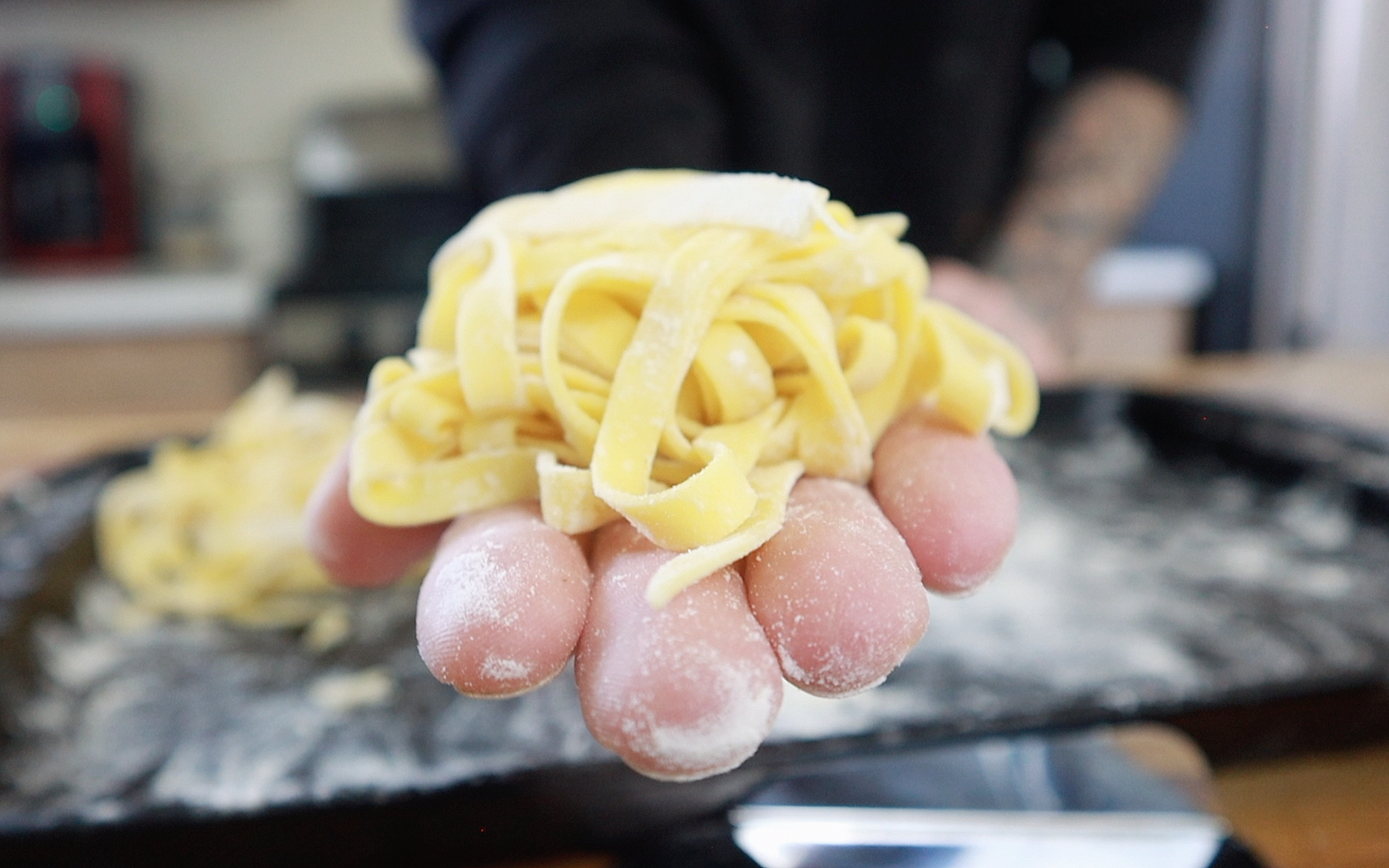
I love how fresh, homemade pasta feels in my hand. There is something about how the fettuccine looks when it is fresh off the pasta roller.
Ingredients:
1-3/4 c “00” flour (8 oz flour or 227-245 g)
6 large egg yolks
1 whole egg
1-1/2 tsp oil
1 tbsp milk (heavy cream makes it even better)
*water as needed
AP Flour for dusting purposes, fine semolina works great too
Tools needed:
2 mixing bowls, small
Mixing bowl, large
Measuring cups and spoons
Digital kitchen scale if you prefer to weigh the flour
Rolling pin
Sharp knife
Pasta machine
Sheet pan or pasta drying rack
How to make it:
Measure out the flour, oil and cream (or milk).
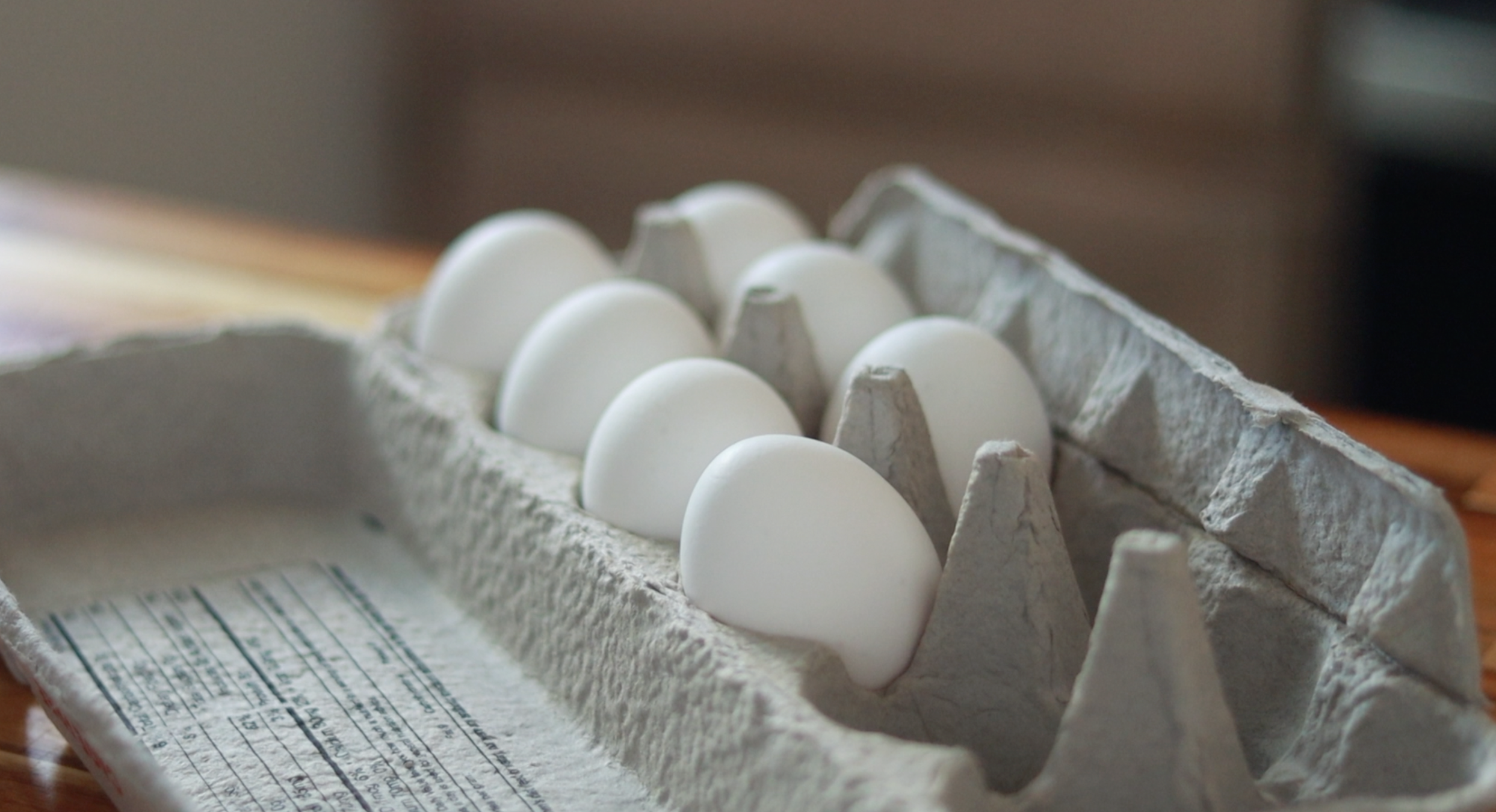
This is a very rich dough from the amount of eggs.
For the eggs, crack open 1 whole eggs in a mixing bowl. For the 6 yolks, it is much easier to crack the eggs open in a separate bowl and remove the yolks with your hands. Add the yolks to the bowl with the whole egg. Add the cream and oil to this bowl also and beat until incorporated.
Measure the flour and add to your large bowl or clean work surface. Make a well in the center and add the egg mixture. Gently stir in little amounts of the flour into the egg mixture until it forms a very lumpy mixture. Now, mix the flour in more with your hands until a shaggy dough forms and knead for 8-10 minutes. Pasta dough cannot be over kneaded! If the dough is too dry, add a few drops of water to your hands, rub together and continue to knead the dough. Repeat if necessary. The dough is to feel well hydrated but not sticky and not too dry where it is crumbly or won’t hold together.
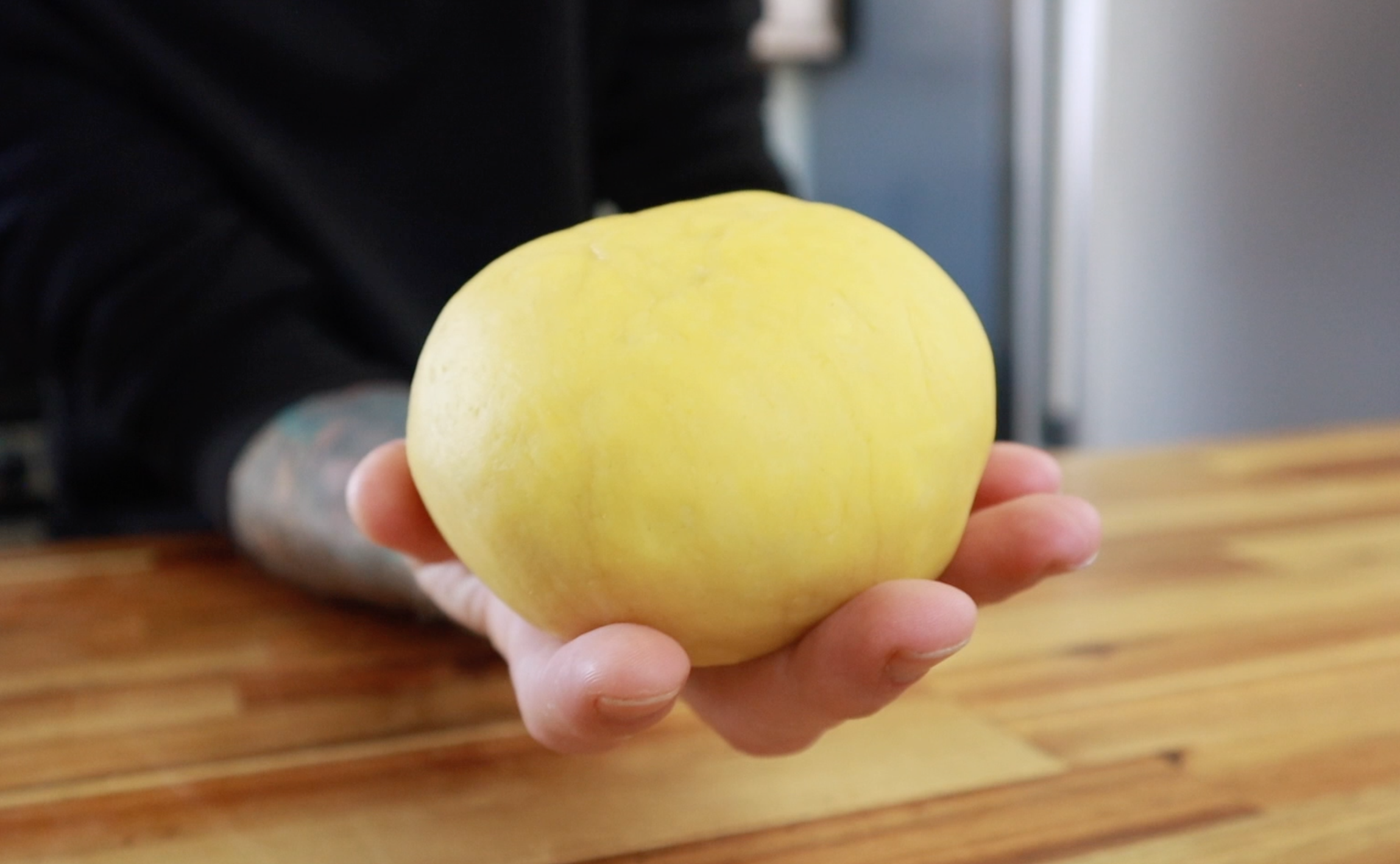
When the dough is kneaded plenty and properly hydrated, it will be smooth and marble looking.
After kneading, roll the dough around forming a ball. It should be smooth and shiny like a marble. Place the dough in a bowl, cover for 30 minutes before rolling out.
When the dough is ready to roll out, cut it into 3rds.
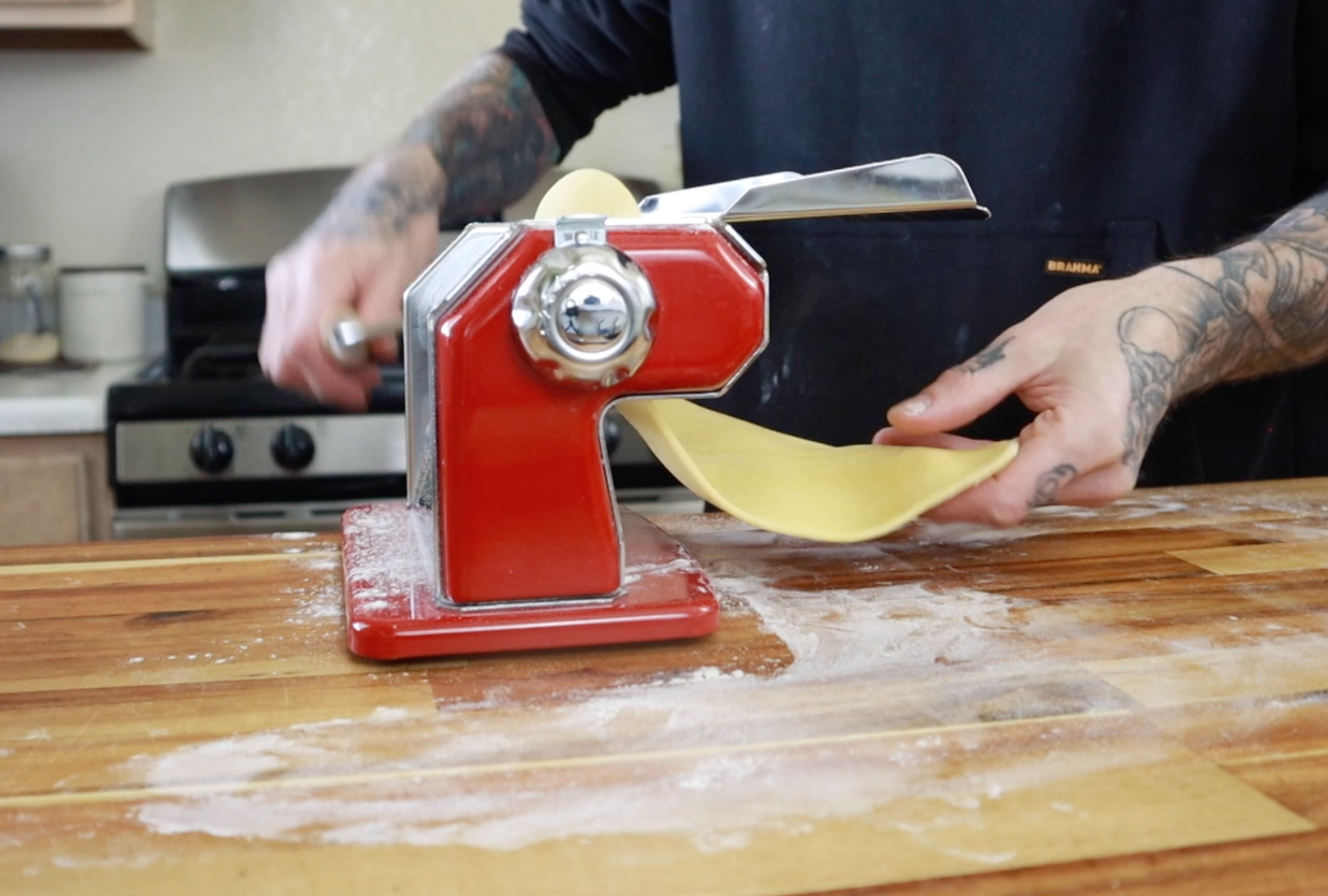
Rolling the dough into sheets on the pasta machine is a time saver when making homemade pasta/noodles. A rolling pin will eventually achieve the same result.
Get the pasta machine ready by dusting the rollers with flour and roll the dough flat. Typically, I roll it slightly thicker than the widest setting on the pasta machine. Roll the dough through the rollers. The next step is critical to build strength in the dough and to square off the ends. Fold it in thirds like you’re folding a letter to put in an envelope. See picture below. Repeat this step 5 times total. After the fifth time, run the dough through the widest setting twice. Now, continue to roll the dough through the rollers going down 1 notch at a time, stopping on the second to last setting. You only need to roll the dough through once on each setting now.
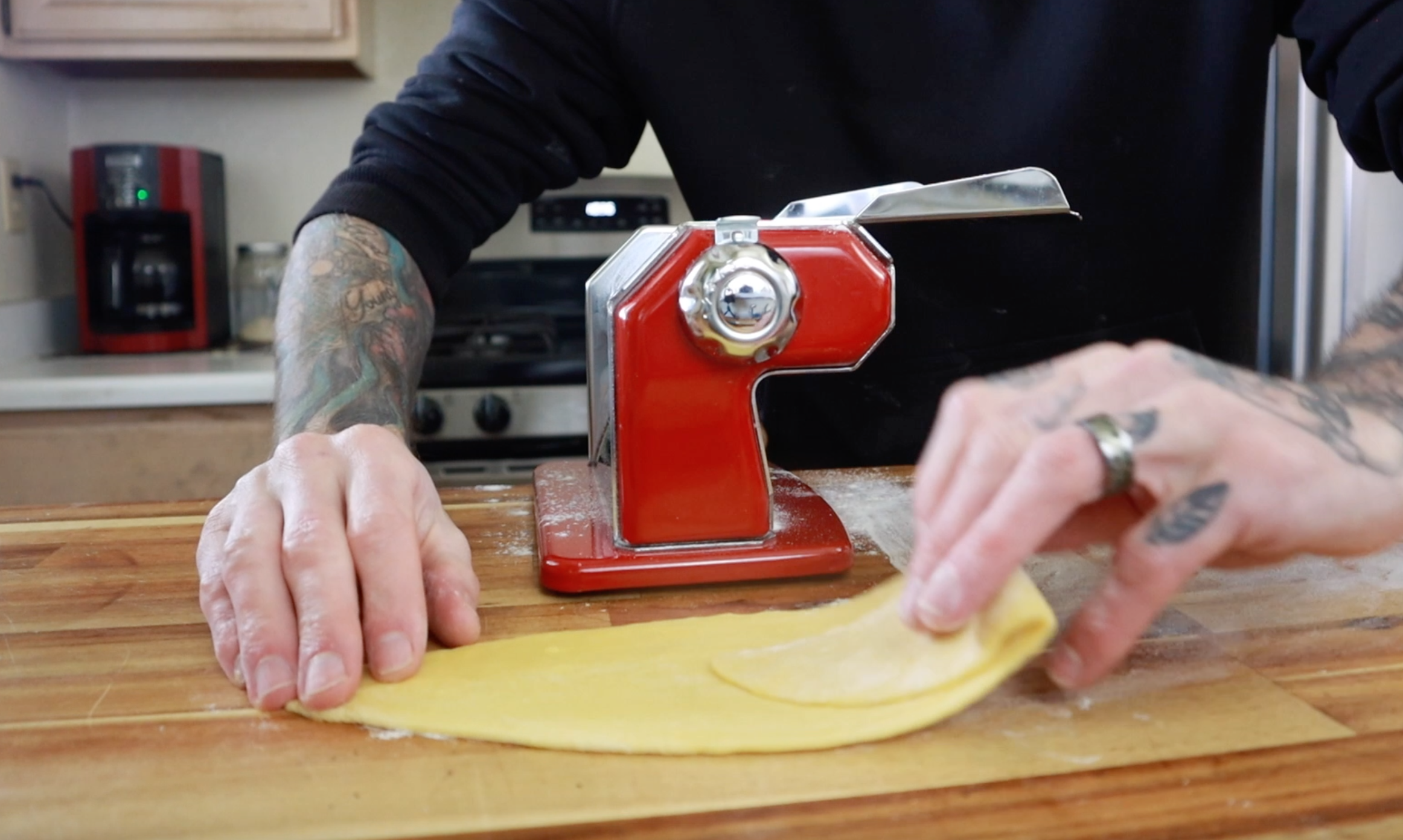
Folding and laminating the dough results in better texture pasta noodles with better strength.
Once you rolled the dough out on the second to last setting, set the pasta machine up with the die. I typically go with fettuccine or tagliolini. The pasta sheet is most likely long, so you can cut it in half and square off the ends if desired. The trimmings can be incorporated within the other pieces of dough.
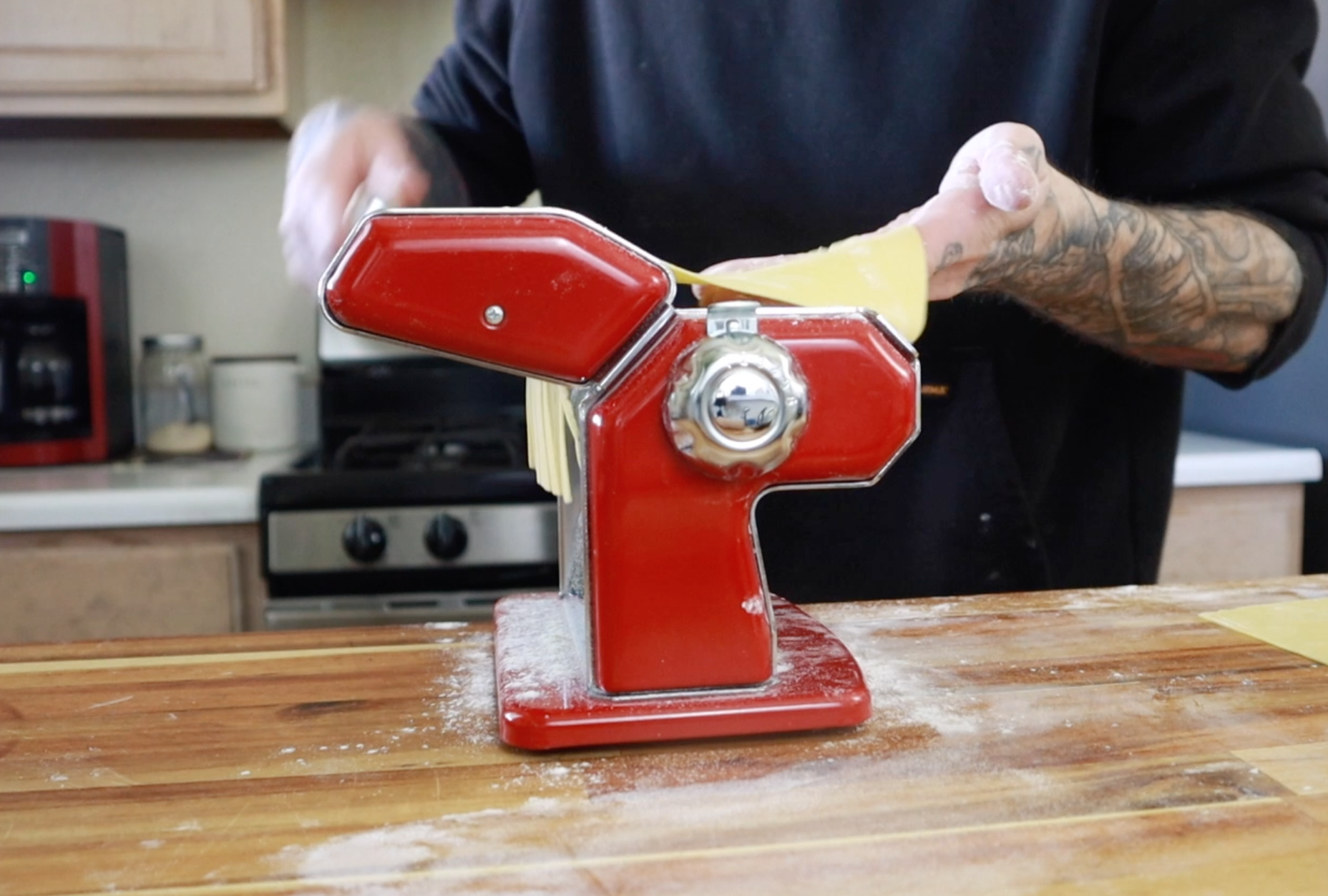
The final stage of making pasta is running the sheet of pasta through the die. I am using the fettuccine die.
Run the pasta sheet through the die, dust with flour and set on a flour dusted sheet pan. I form the noodles in a delicate “nest” that will be ready to get cooked within the hour. I do this if I'm planning on making the pasta immediately once all the dough is cut into noodles. If it’s going to be a few hours or more, hand the noodles on a pasta drying rack. You can easily make a makeshift one if you don’t have one with a couple chop sticks and tall drinking glasses. You can also freeze the “nest” in portions in small tiptop bags. They will keep for about 3 months and cook from frozen within a few minutes. This fresh pasta will cook in a matter of 2-3 minutes in salted boiling water.
One of my favorite ways to use this pasta is with a quick and easy pan sauce. It is a cream reduction, recipe is below.
For a quick pan sauce:
1/2 c heavy cream
.25 oz goat cheese
1 shallot
2 cloves garlic
1 clementine
2 tbsp butter unsalted
Salt
Pepper
1 sprig thyme
Tools needed:
Saute pan
Sharp knife
Cutting board
Strainer
Microplane zester
How to make it:
*** This sauce amount is good for 2 servings.
Mince shallot and garlic. Warm up saute pan over medium low heat for a minute or two. Add the butter and melt. Add the minced shallot and garlic, season with a pinch of salt. The salt will help draw out the moisture and make the garlic and shallot more sweet and less acidic. Cook for about 3 minutes until the shallots start to turn translucent stirring frequently.
Add the cream and turn up the heat to medium. Zest the clementine and add it to the cream. Bring the cream to a simmer and continue to simmer until reduced by half. This takes about 5 minutes. Once the cream has reduced, it will leave a streak at the bottom of the pan when a spoon is scraped against it. Turn off the heat and add the juice of the clementine and the goat cheese. Taste and add more salt as needed. If the sauce gets too thick, using pasta water to thin it out is always an option. Add the 2 servings of cooked pasta to the sauce and toss gently to coat. Serve immediately.
Enjoy!
Logan